guided diagram
practice system
Zero-to-One Build
Learning Systems Design
Learning Systems Design
Computer Vision Integration
Scaffolded Feedback Architecture

+5%
redemption rate
Team:
4 core contributors
(Lead Product Designer, Product Designer, UI Designer, Research Team)
My Role:
Product Designer — System Architecture & Experience Design
Scope:
End-to-end system design
Learning flow modeling
Validation logic
User experience
Duration:
6 Months
some context & the problem
Adapt our platform to suit your unique business needs with flexible, scalable solutions designed to grow with you.
Handpicked to Build a Zero-to-One Learning System
This project began as a concept in strategy meetings.
I was brought in to translate it into a product system.
I worked across ideation, system modeling, validation loops, and product definition — giving structure and form to what was initially just an idea.
Before
Sees full diagram → freezes
😰
AFTER
Sees full diagram → freezes
The Problem Wasn’t Motivation — It Was Friction
Blank page paralysis
No clear starting point
No structured entry point
Overwhelming from the first stroke
Complex reference diagrams felt overwhelming
Full complexity presented at once
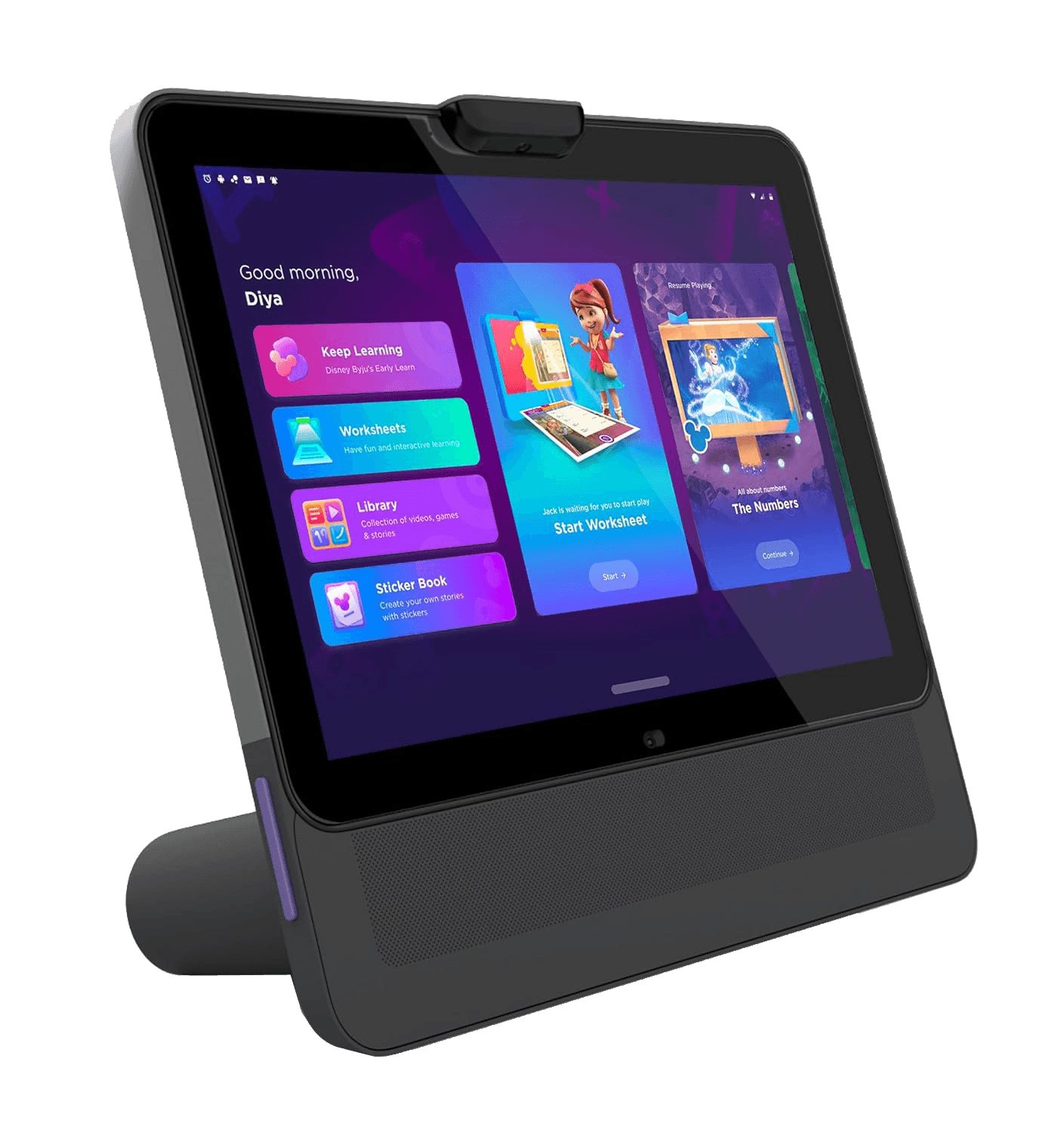
what is this device !?
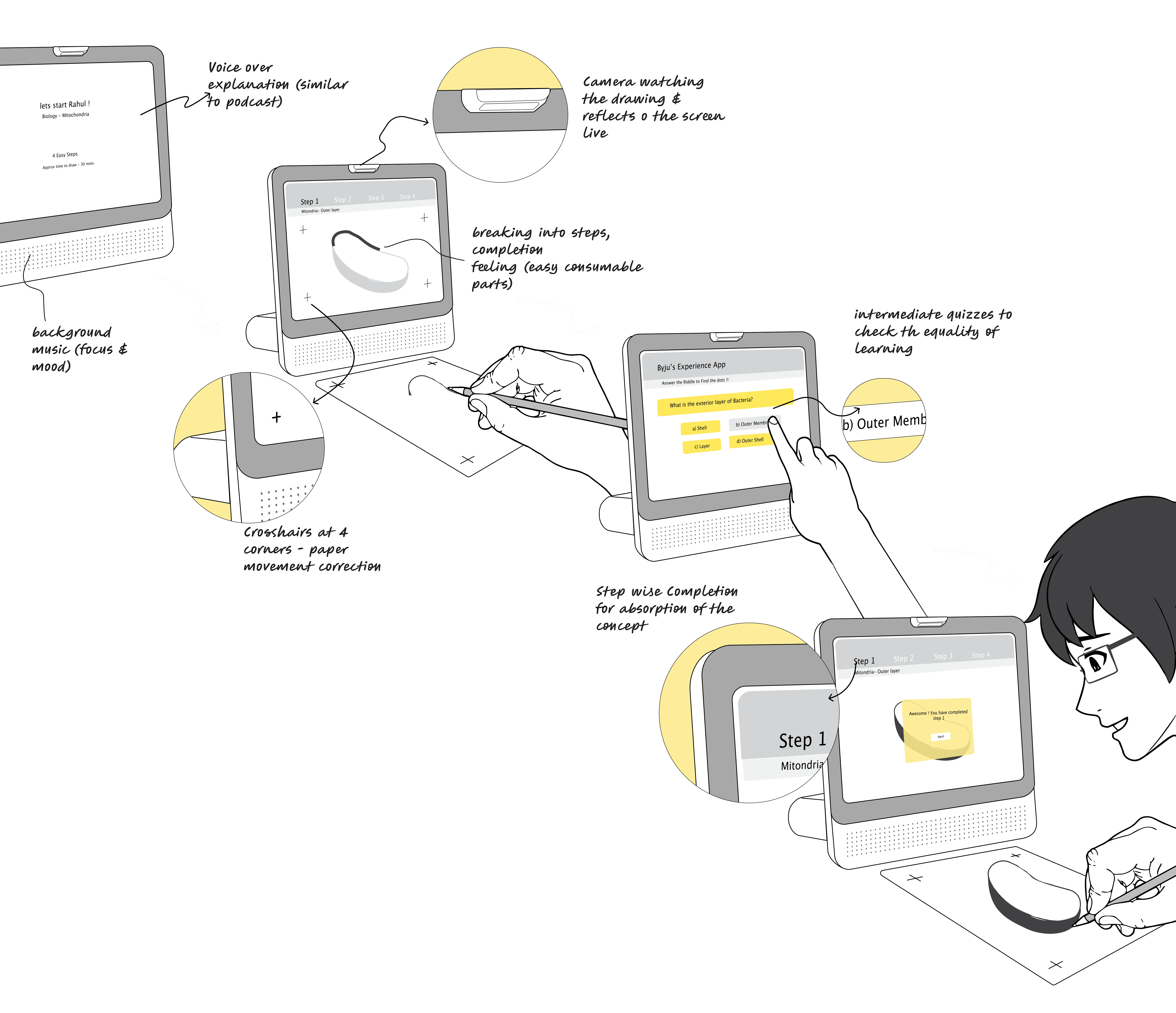
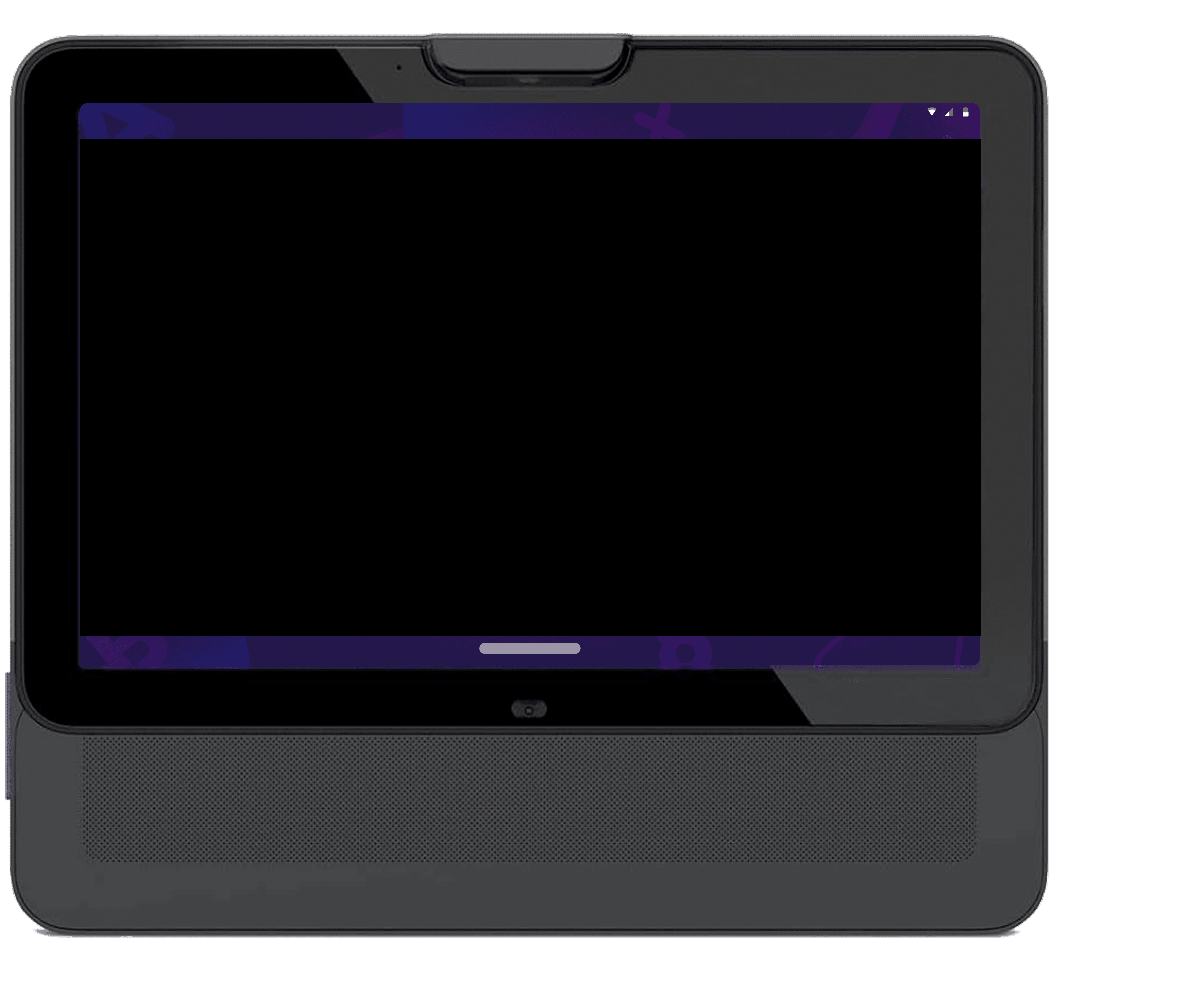
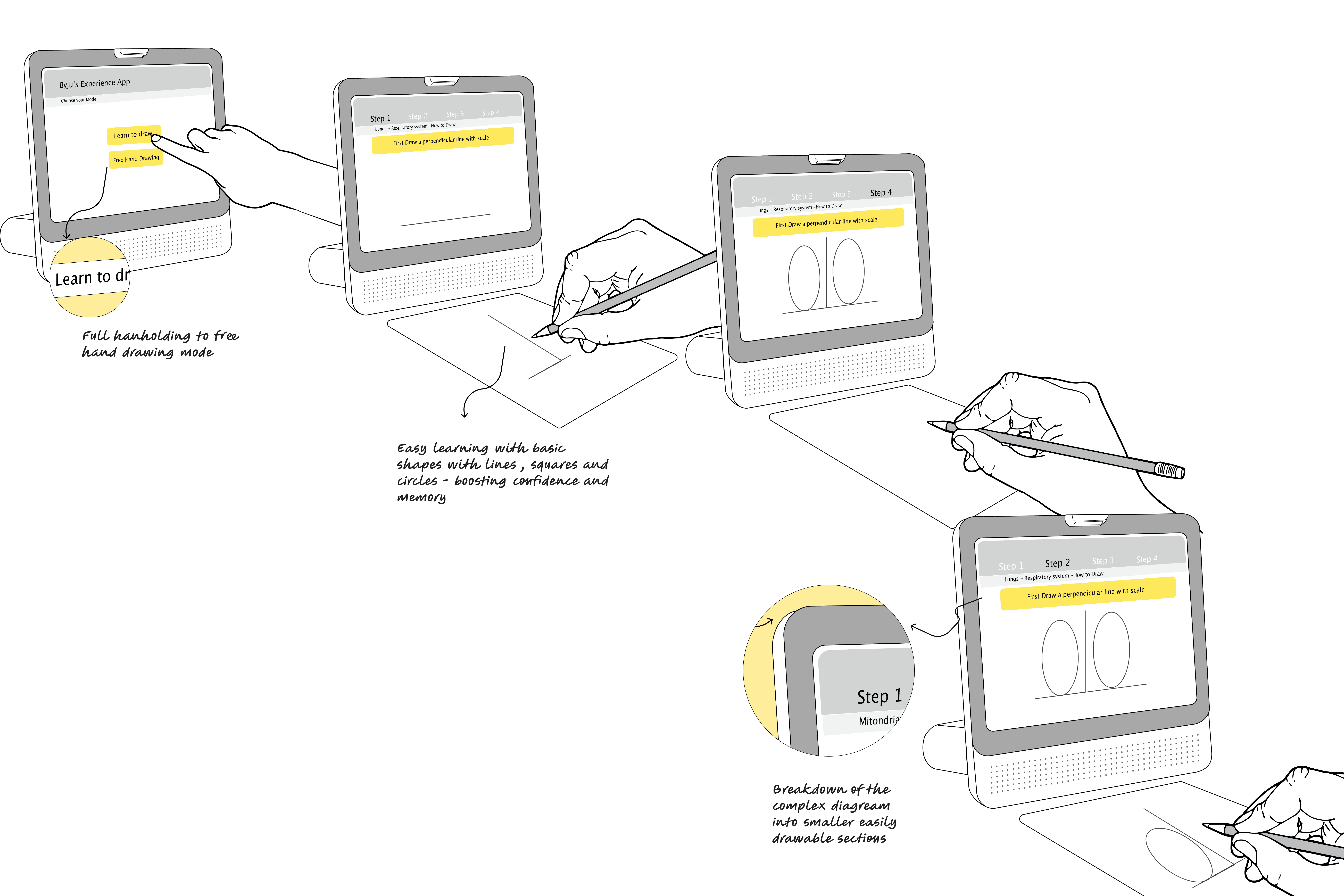
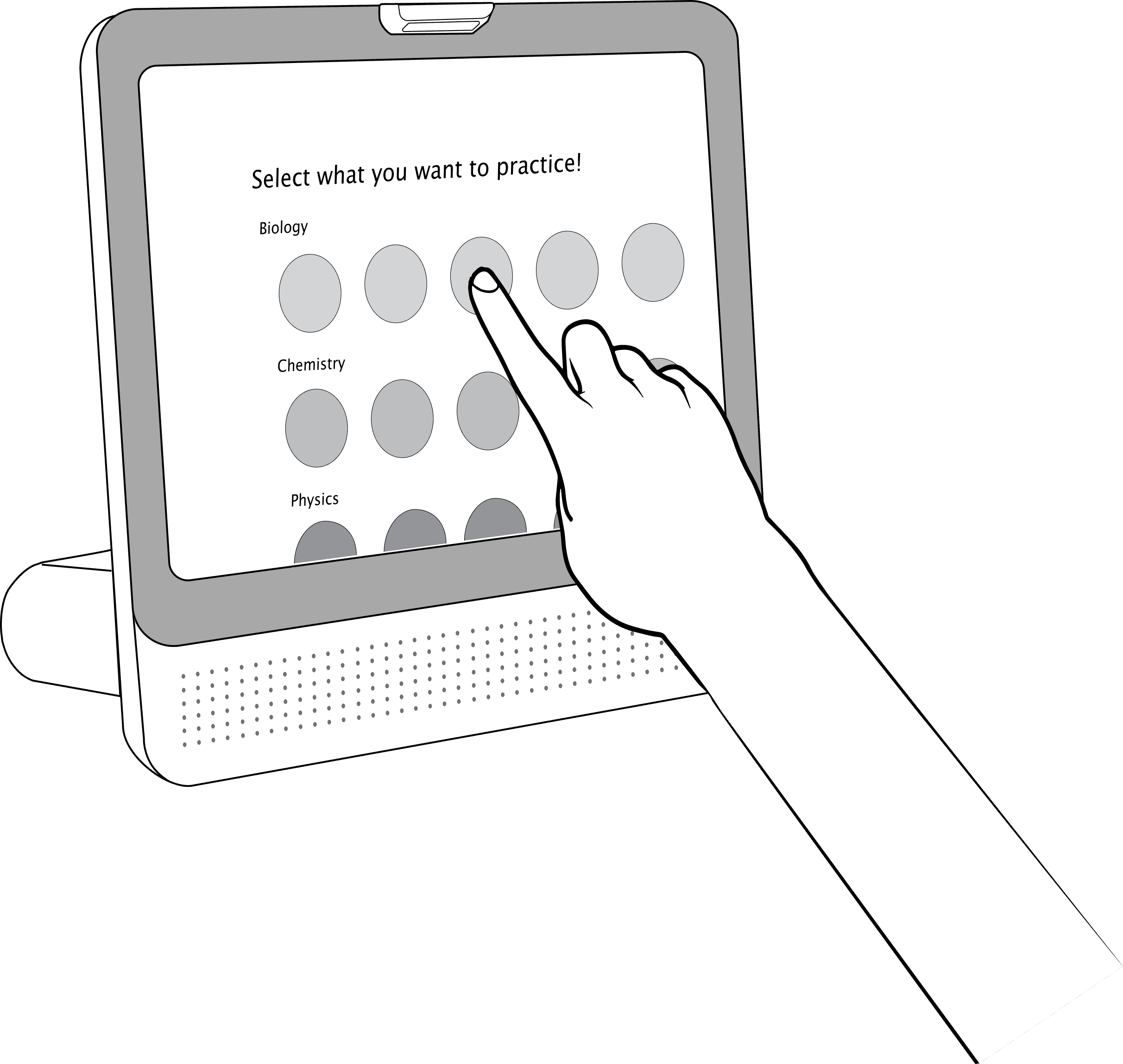
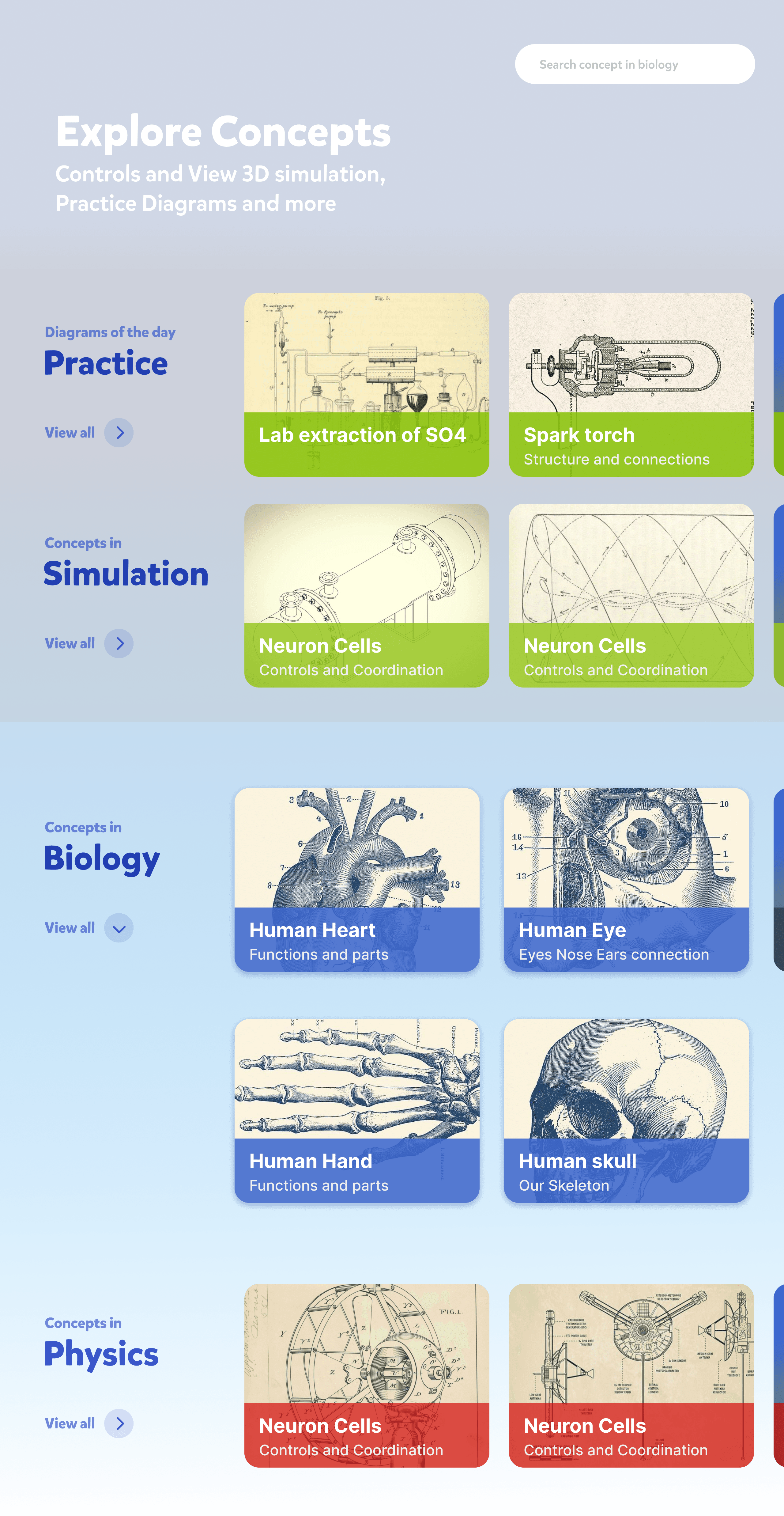
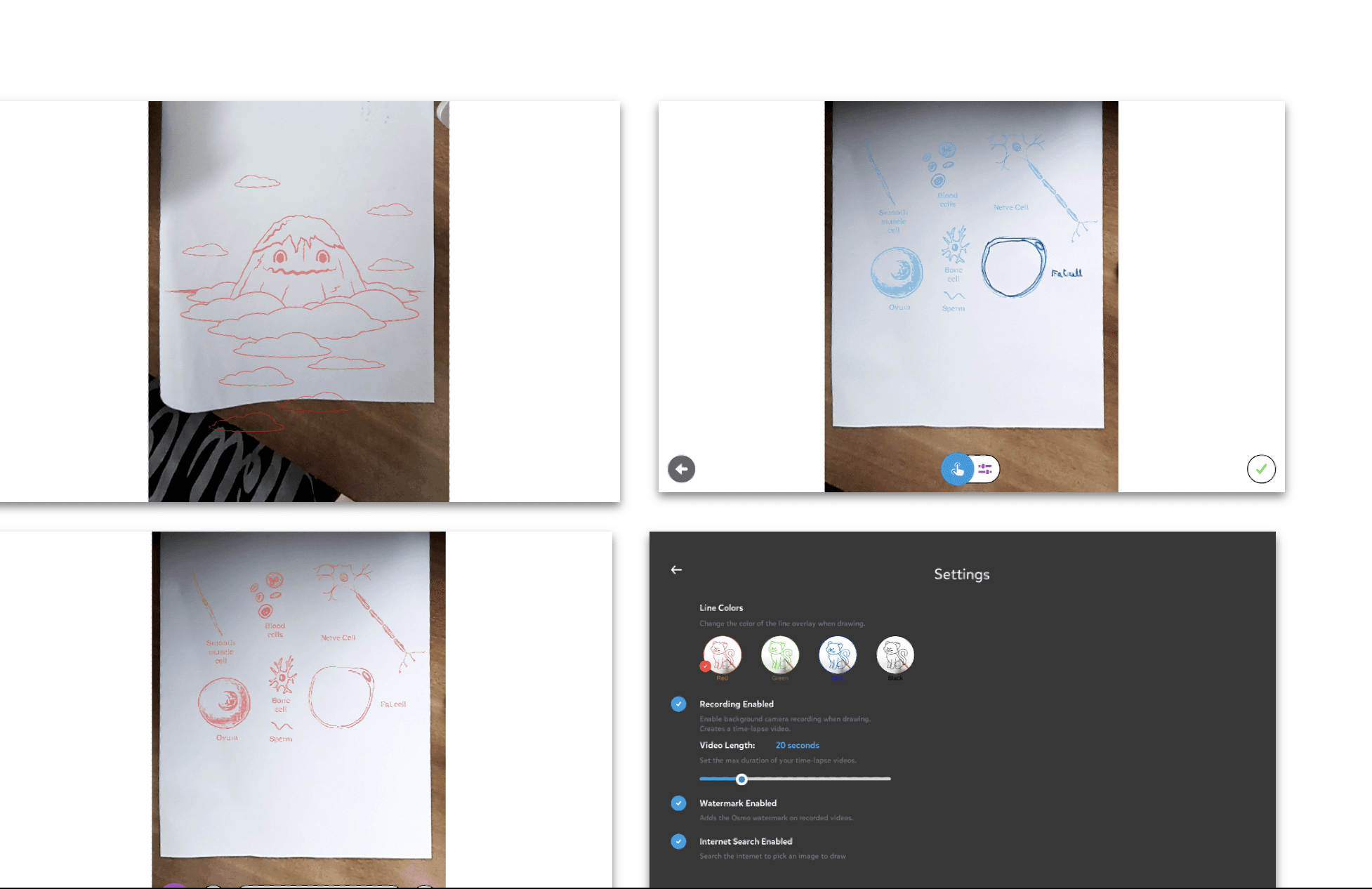
The Learn Station combines a physical tablet interface with real-time camera vision to create a feedback loop between hand-drawn diagrams and digital assessment. Students draw directly on paper while the system captures, analyzes, and validates their work instantly.
Glance Pulse was a real-time
consumer insights platform
that leverages Glance’s lock
screen ecosystem to gather
fast, actionable feedback from
millions of users.

but what & why was this device being used ?
BYJU'S Product Spectrum
Strategic portfolio across learning modalities
BYJU'S
Premium
Core Learning Apps
Foundational concept mastery
Concept Learning
Visual Explanation
Engaging Content
Practice & Tests
Osmo
Learn with Play
Physical + digital interaction
Gamified Practice
Visual & Active
Physical + Digital
Immersive Engagement
Tutor
Classes
Human Assisted
Live and interactive support
Live Learning
Doubt Solving
Peer Relatedness
Lab
InApp
Explore
Simulated Learning
Exploration-driven practice
Hands-on Understanding
Explorative Learning
Tests & Practice
Learning Experience Continuum
Theoretical + Passive
Practical + Active
Tutor
Premium
BYJU'S
Explore
Osmo
Lab
InApp
Strategic portfolio across learning modalities
what was the problem we were
targetting ?
Lower accuracy = lower motivations and easy to pass when it comes to diagramming
No guidance = no accuracy
Practising diagrams felt like a chore not a skill

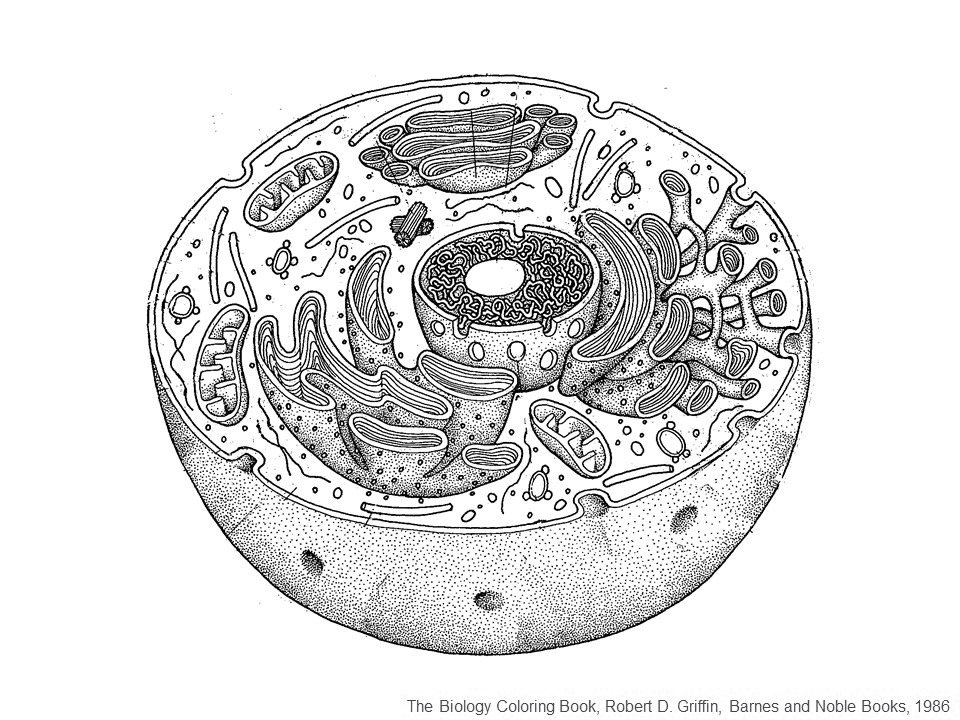
complicated diagrams were difficult to replicate without memorising the parts mentally
students seldom diagram on their own with no help
Small wins create momentum ( LIKE ALWAYS !)
We decomposed each diagram into psychologically manageable micro-steps.
Instead of confronting the full complexity, students progressed through visible, sequential completion.
Remove friction → unlock action → build confidence.
1
Draw boundary
2
Add internal structures
3
Label components
4
Complete diagram
Complete
Research Foundation: From Passive to Expansive Learning
Research synthesis from pedagogy and behavioral studies informed system design.
Passive Model
Optimized for recall,
not creation
Traditional
Book Learning
Absorption
Recollection
Practice
Immersive
Guided Practice
Breaks complexity
into structured action
Active & Applied
Builds confidence through
progressive creation
Inspiration
Exploration
Implementation
Advocacy
Expansive Learning
Model
what all problems did i solve ?
Solving diagraming one step at a time
Complicated diagrams can be overwhelming to even start with !
easy with the lines and easy to memorise
Students expressed that their diagramming quality improved from worst to better - from user testing
6/10
The Problem Wasn’t Motivation — It Was Friction
Diagramming itself is a very tedious and focus demanding work, and the pressure of doing it great is very high high amongst students
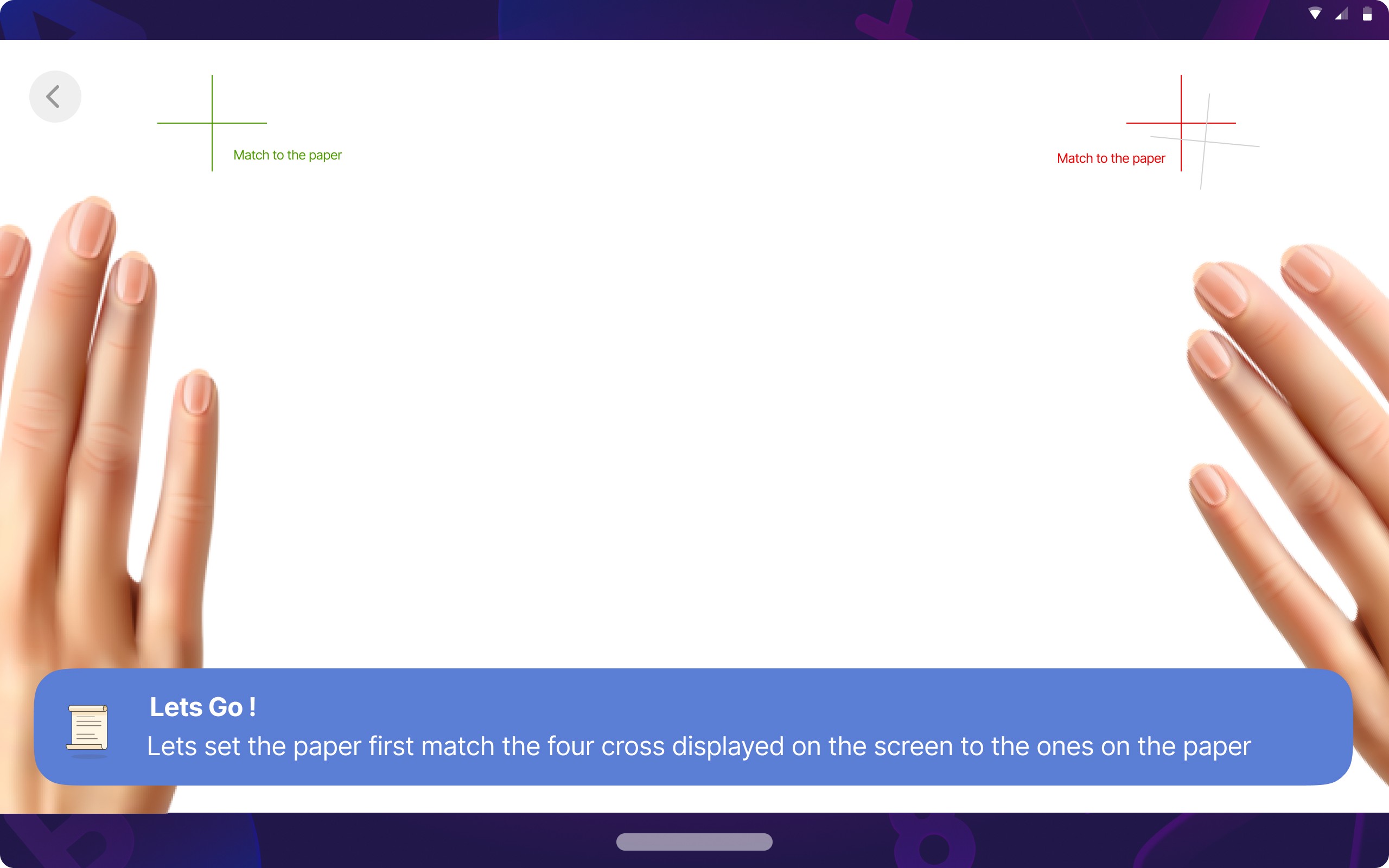
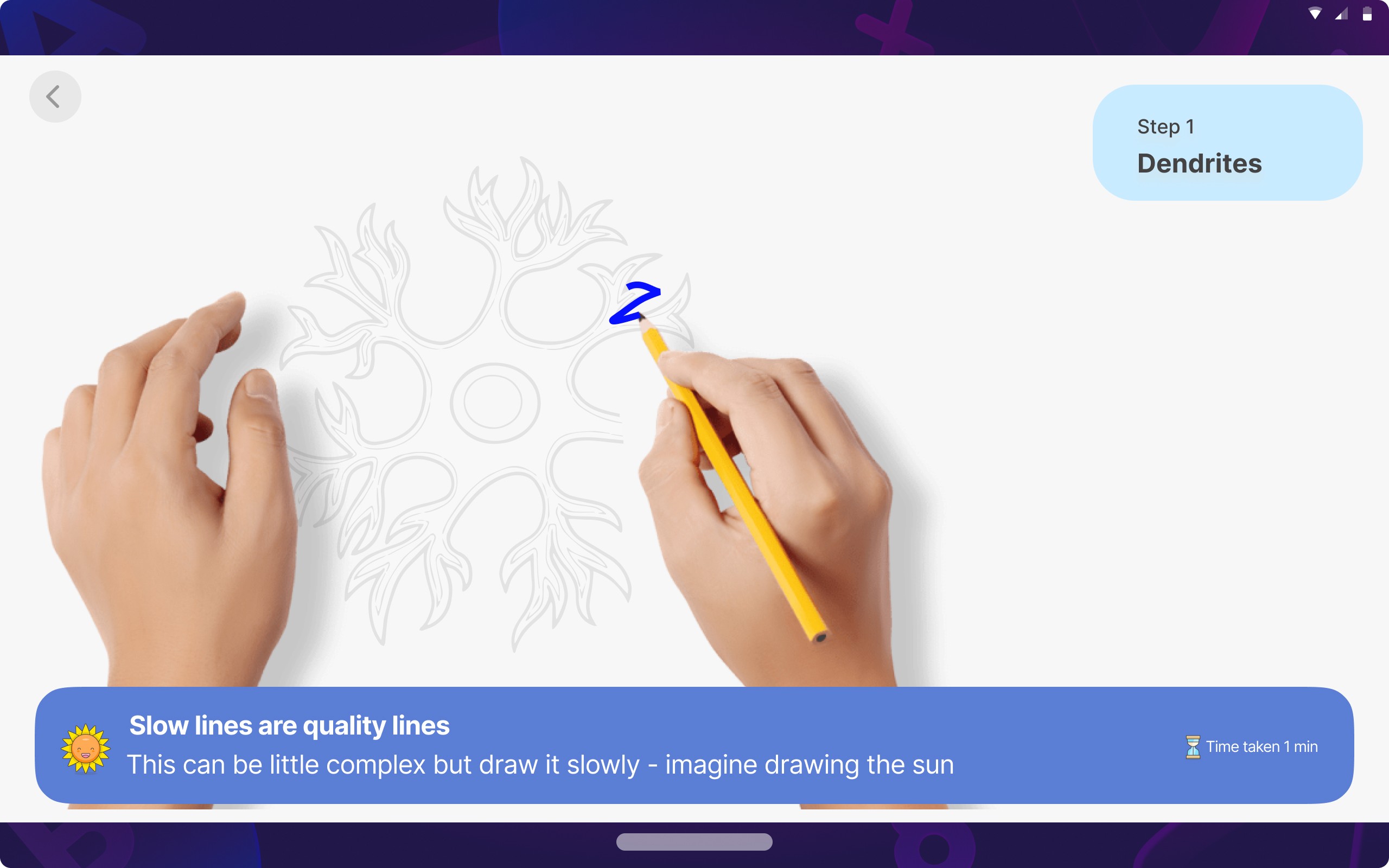
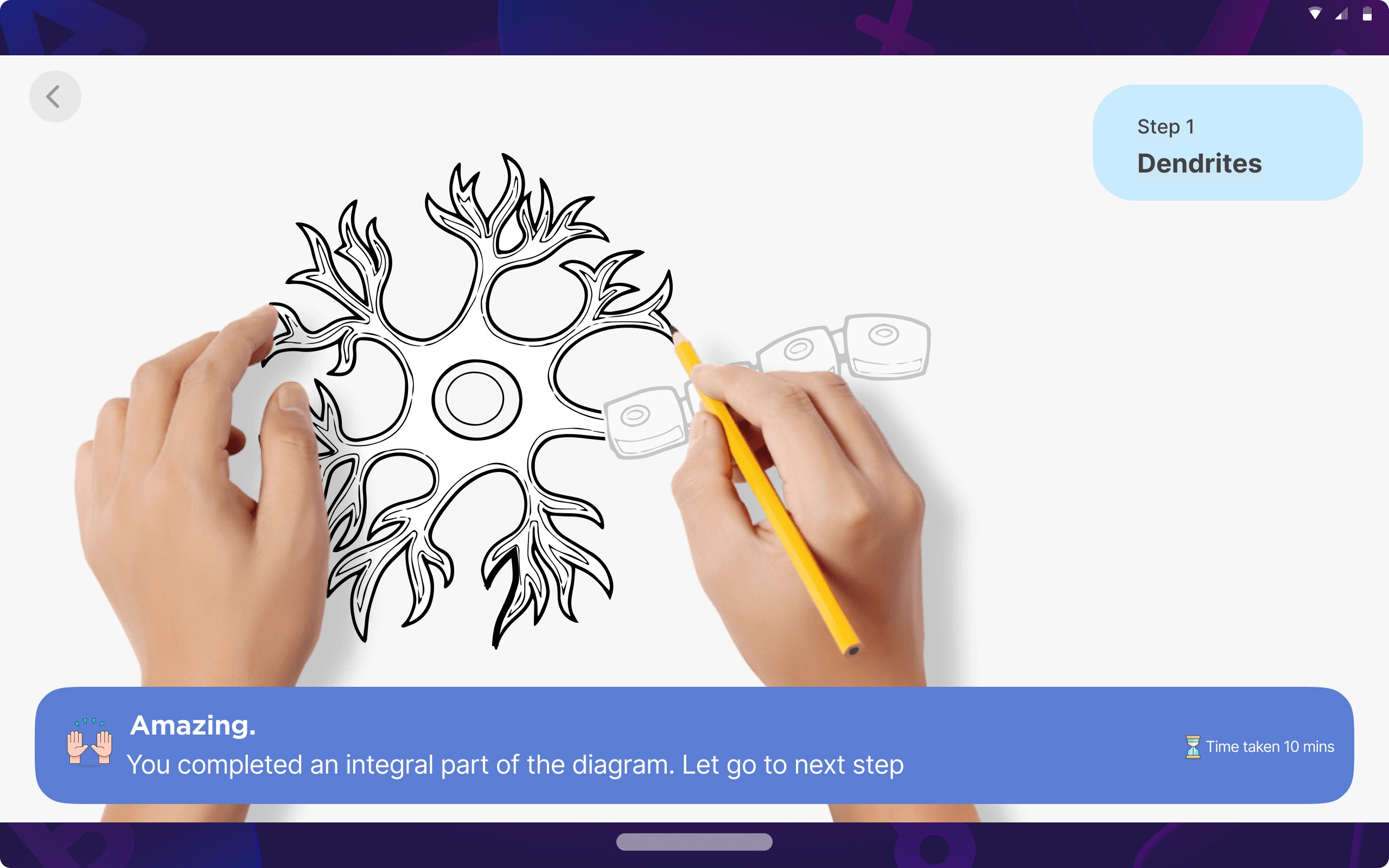
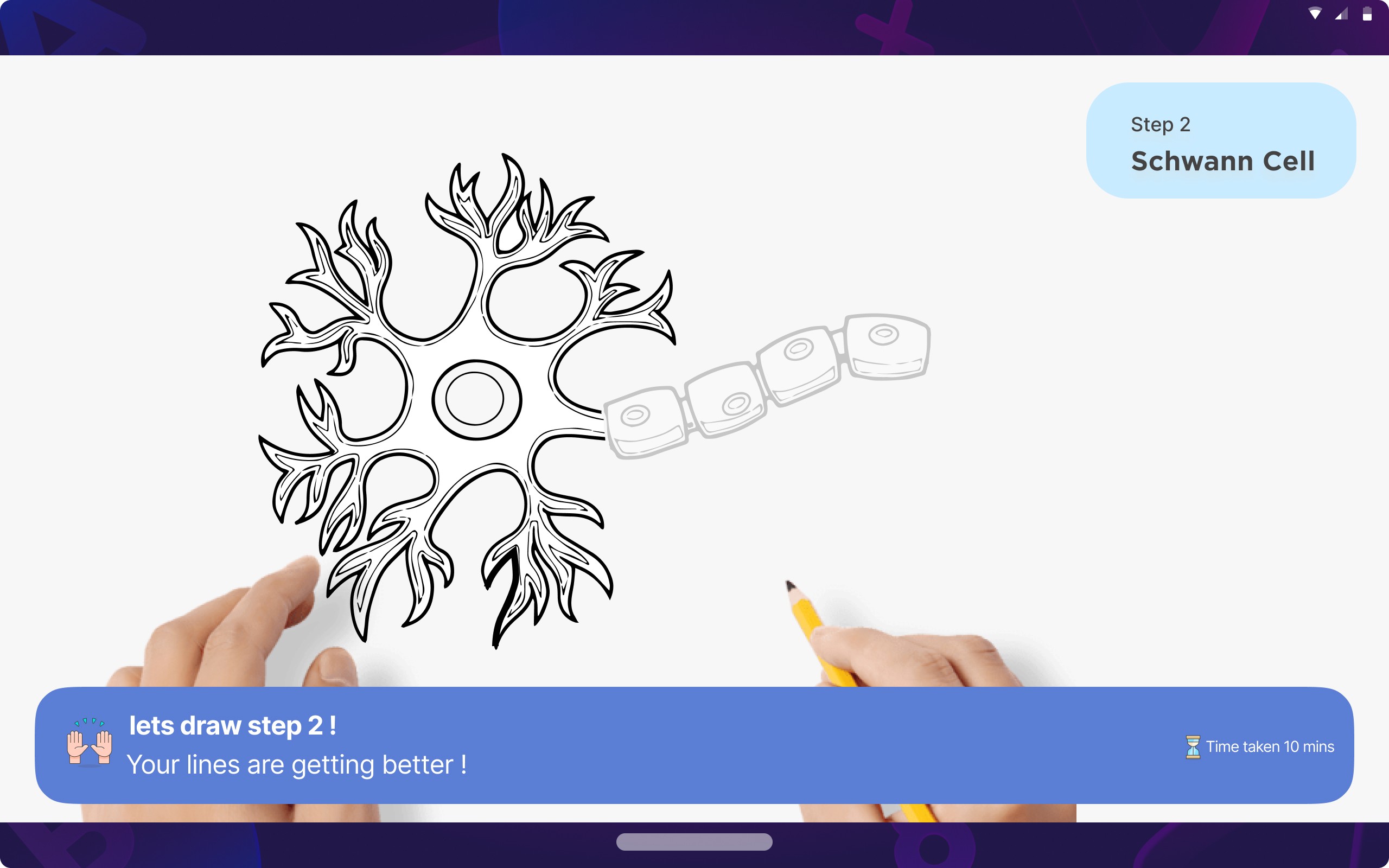
Complex drawings often start with basic shapes
complicated diagrams can be overwhelming to even start with !
easy with the lines and easy to memorise
Students asociated complex diagrams with basic shapes and they memorised them better for reciprocation
8/10
The Problem Wasn’t Motivation — It Was Friction
Students do drawing but they were not confident about there lines, shading , color usage etc, so the focus was overwhelming on these things rather than the craft itself
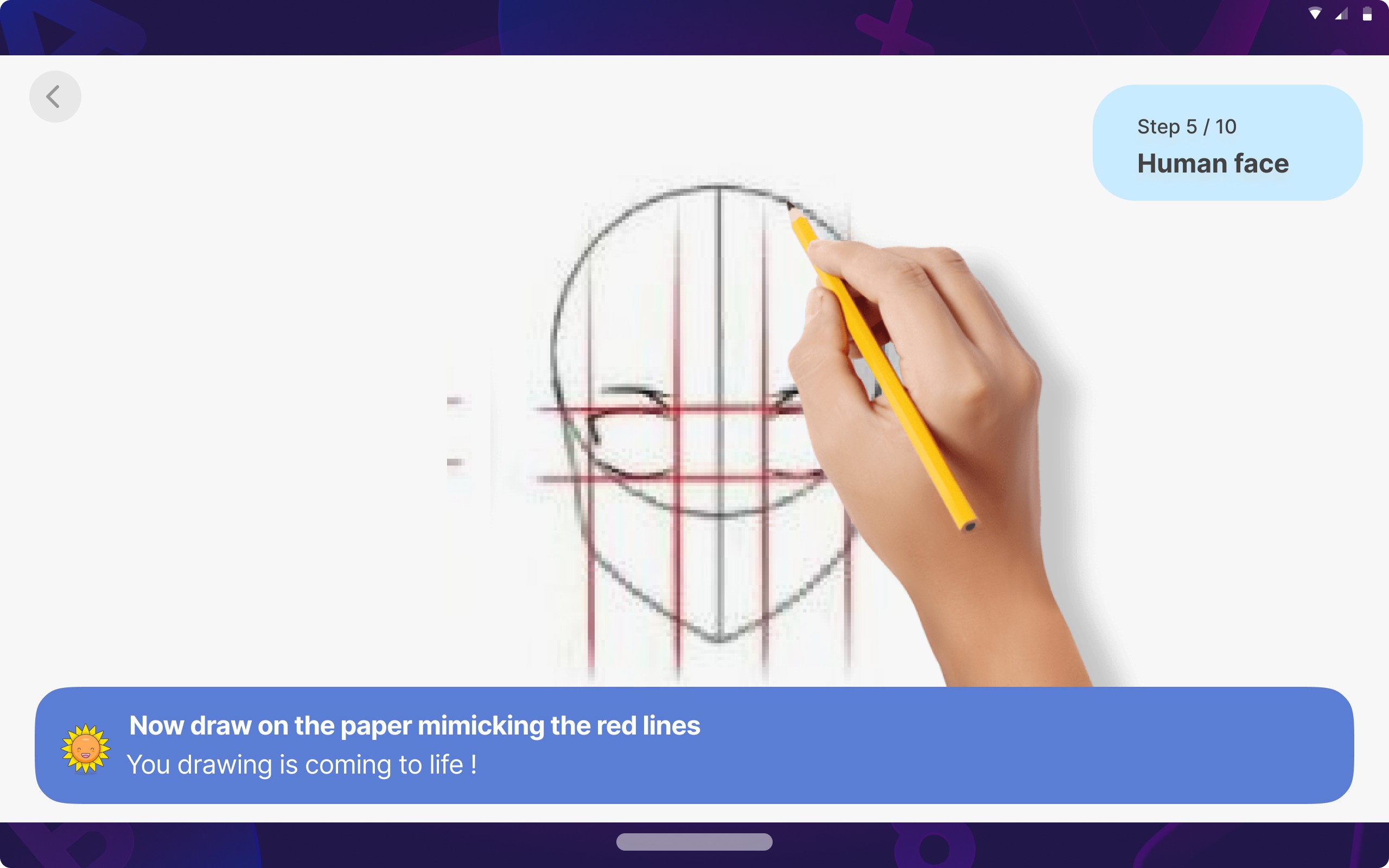
Contextual interest building
Diagramming builds shared understanding by mapping ideas in context, making complex concepts easier to grasp. it invites curiosity & sparks deeper discussion through visual connections.
Students aexpressed that they are better at chemistry diagrams than biology
3 / 10
The Problem Wasn’t Motivation — It Was Friction
what to draw or how to start was in itself a huge question to solve for , hence the overwhelming response of draw anything or not perfecting the diagram became the norm
Hybrid learning architecture
When we started, there was no reward infrastructure inside Glance. There were no systems for discovery, redemption, tracking, attribution, campaign orchestration, or targeted cohorts.
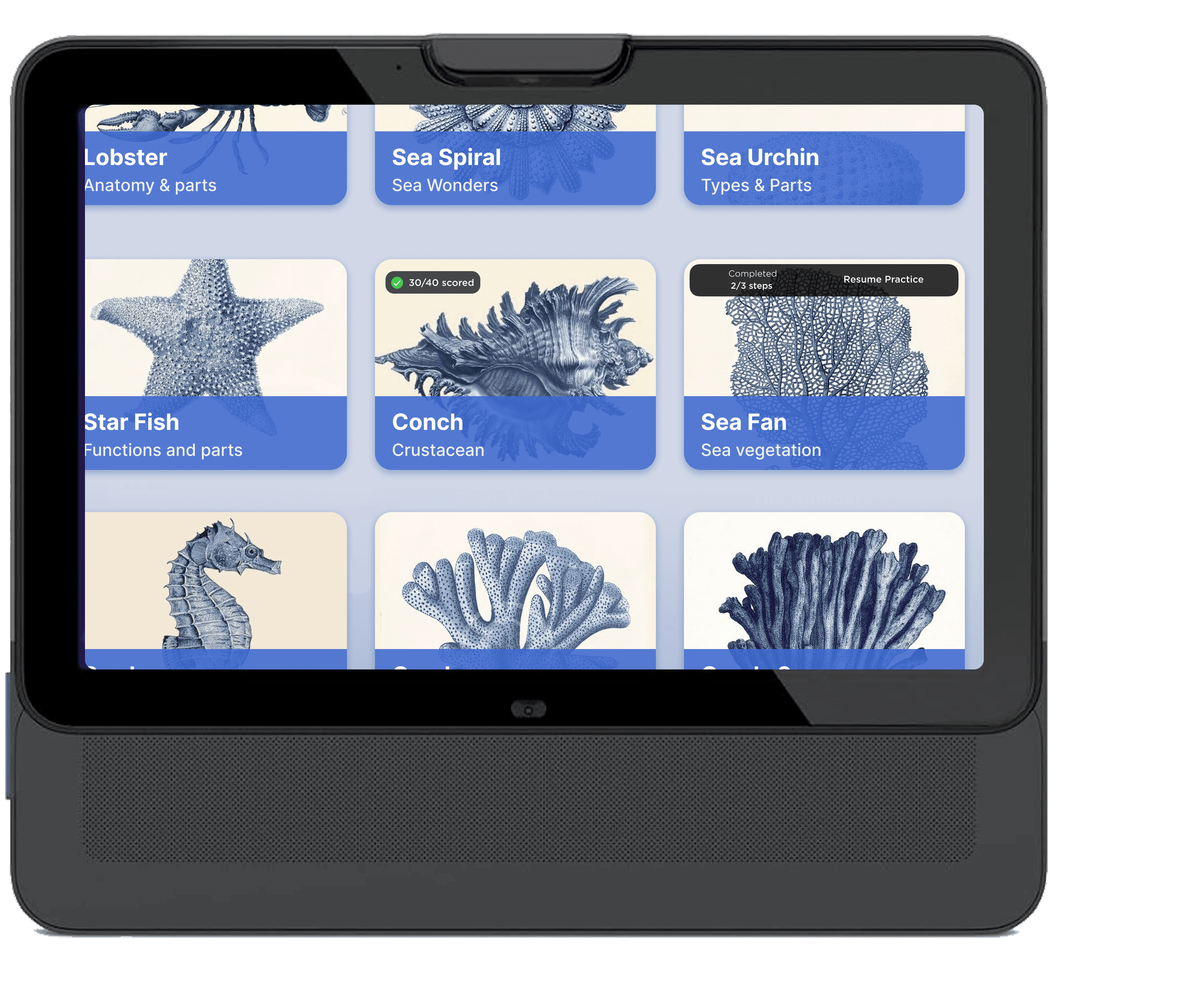
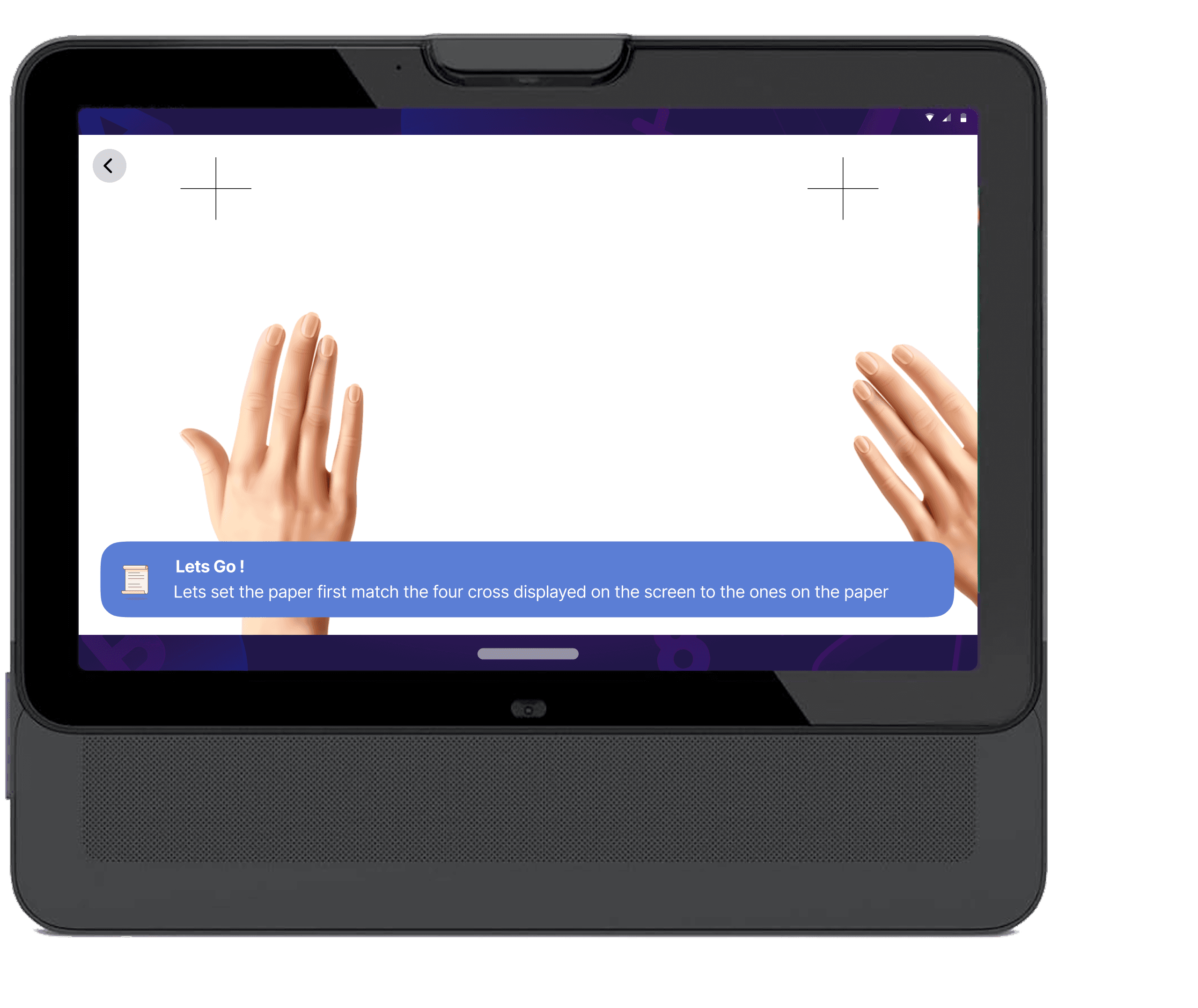
Draw on Paper
Student draws physically
Camera Alignment
System captures drawing
Step Guidance
Hints appear when needed
Validation
Real-time feedback
Quiz Intermission
Concept reinforcement
Completion Feedback
Learning complete
the problem worth solving
When we started, there was no reward infrastructure inside Glance. There were no systems for discovery, redemption, tracking, attribution, campaign orchestration, or targeted cohorts.
Design Decisions & Tradeoffs
→
Step-by-step vs Full Sketch
Reduced overload.
✏️
Physical Drawing vs Touch
Improved motor memory.
📷
Camera Correction vs Manual Setup
Reduced friction.
❓
Micro-Quiz Intervals
Reinforced conceptual recall.
My mission was to build a **reward ecosystem from scratch** inside Glance.
User testing & validation

Several students novice as well as trained ones took part in this validation so we could get a varied scale of usage
"
Students reported diagram practice felt clearer and more manageable.
USER TESTING Research Validation
Measured Impact at Classroom Scale
Pilot testing across 12 classrooms revealed measurable improvements in completion rates, diagram accuracy, confidence, and recall.
Measured
100%
Increase in Diagram Time Spent
From User Testing
+40%
Engagement Growth
Measured
+300%
Diagram Accuracy Improvement
From User Testing
+75%
Confidence in Drawing
Measured
+30%
Recall of Diagram Labels
From User Testing
+60%
Return Usage
Validation & impact
87%
Completion Rate
↑ 53pts
+41%
Accuracy Gain
Measured
18m
Avg Session
↑ 6x
High
Student Confidence
Self-report
Some evidence for how my app was helping the students !
This was a satisfactory study when even the novice student felt so interested and was able to complete the full diagram with details by taking the help of the app.
what all did i learn ?
Removing friction changes behavior.
Technology should scale guidance, not replace it.
Scaffolding must respect student agency.
what all did i learn ?
Transformed diagram practice from avoided activity into structured learning system.
This app was in the Byju's learn station!
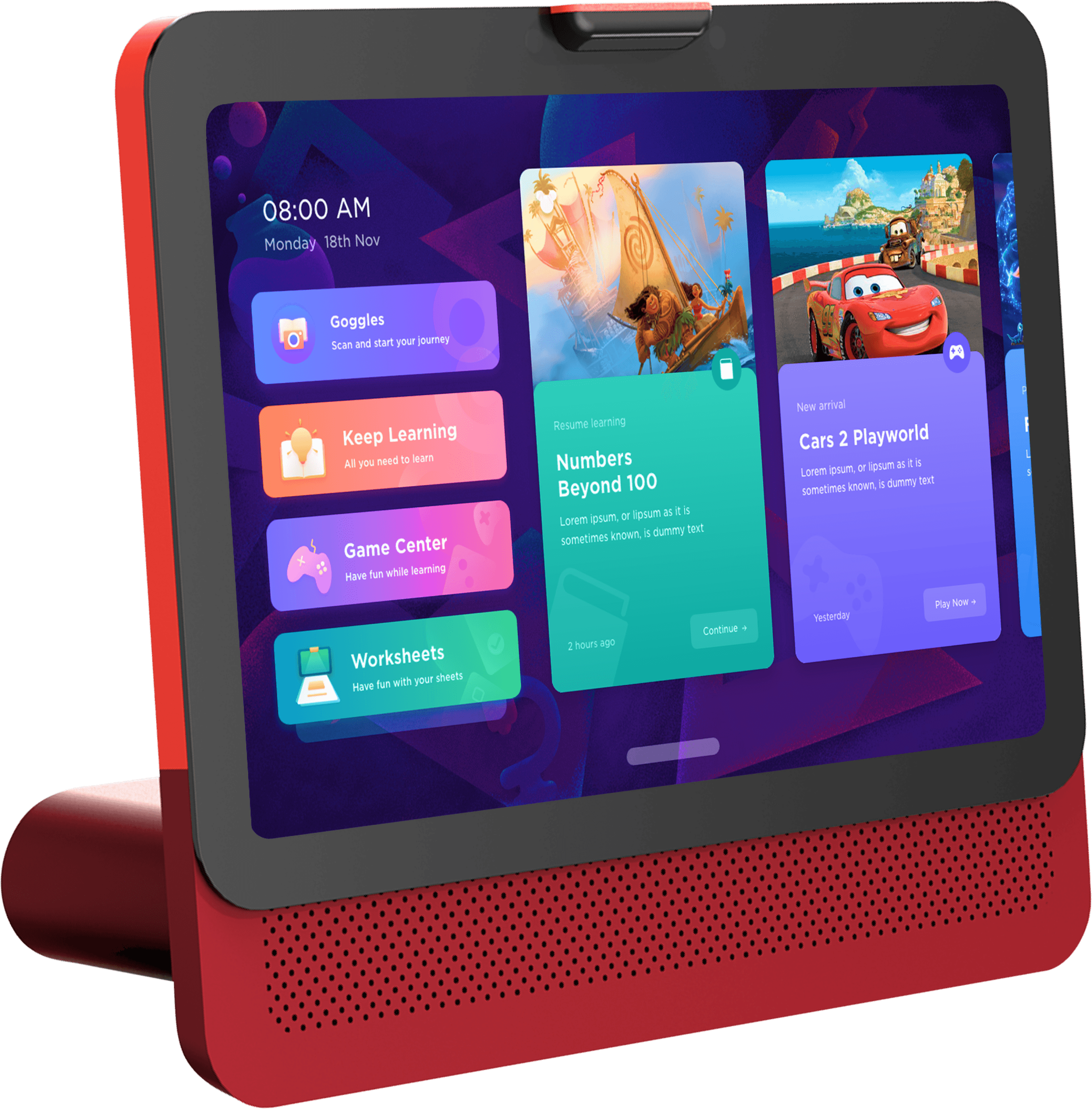
This device was
called Byjus D4
read next
read next curated case study