
Engineering Desire
+5%
redemption rate
A zero-to-one reward ecosystem designed for lock-screen scale.
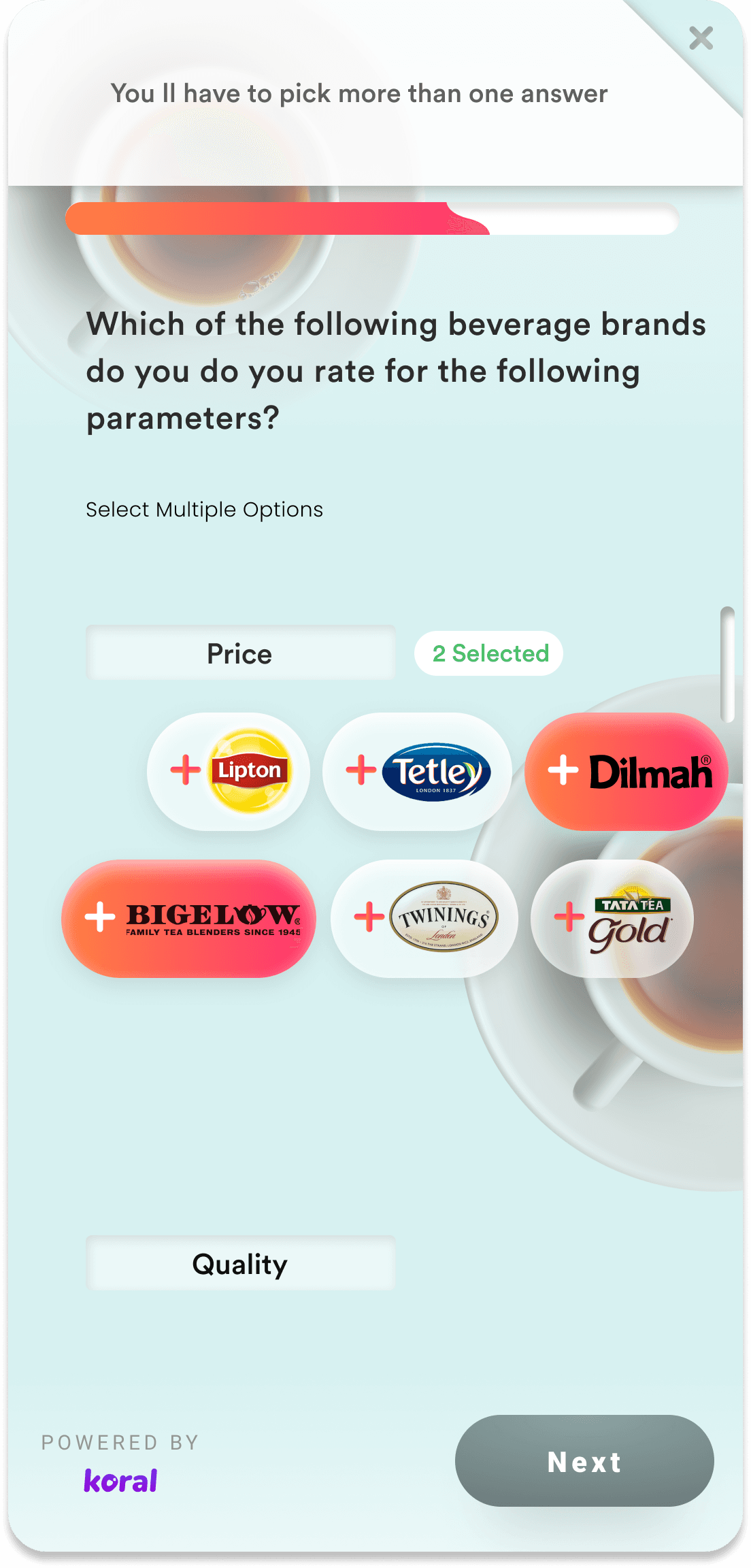
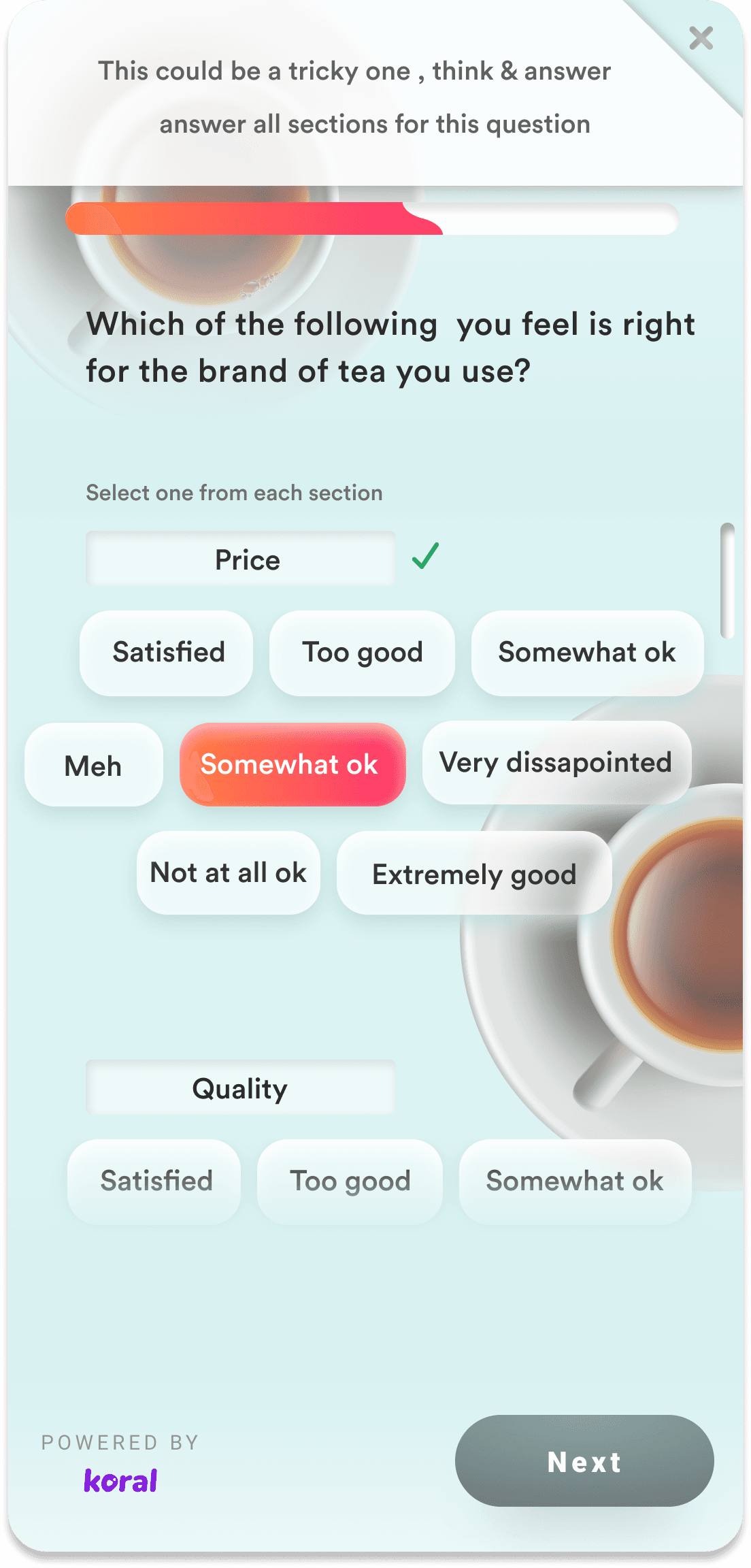
Glance Pulse was a real-time
consumer insights platform
that leverages Glance’s lock
screen ecosystem to gather
fast, actionable feedback from
millions of users.

Team : 4 member team
( design + product + data + research)
Time : 2022 - 2025
Role : Lead Product designer
Engineering desire: architecting the rewards economy
Value Hub
Merchant
Offer Supply
Merchant
Offer Supply
Merchant
Offer Supply
Solving the intention gap
Users were surrounded by offers, but rarely motivated to act. The issue wasn’t lack of supply , it was cognitive friction between seeing value and committing to it.

Offers !
Discounts galore
Offers !
Discounts galore
Offers !
Discounts galore
Offers !
Discounts galore
Offers !
Discounts galore
Offers !
Discounts galore
The goal was not to deliver coupons, but to collapse the distance between discovery and gratification: balancing user motivation, merchant value, and platform constraints within a single system.
From Lockscreen to Deep-link
I replaced a one-off coupon interaction with a structured behavioural journey designed to move users from passive discovery to repeat engagement.
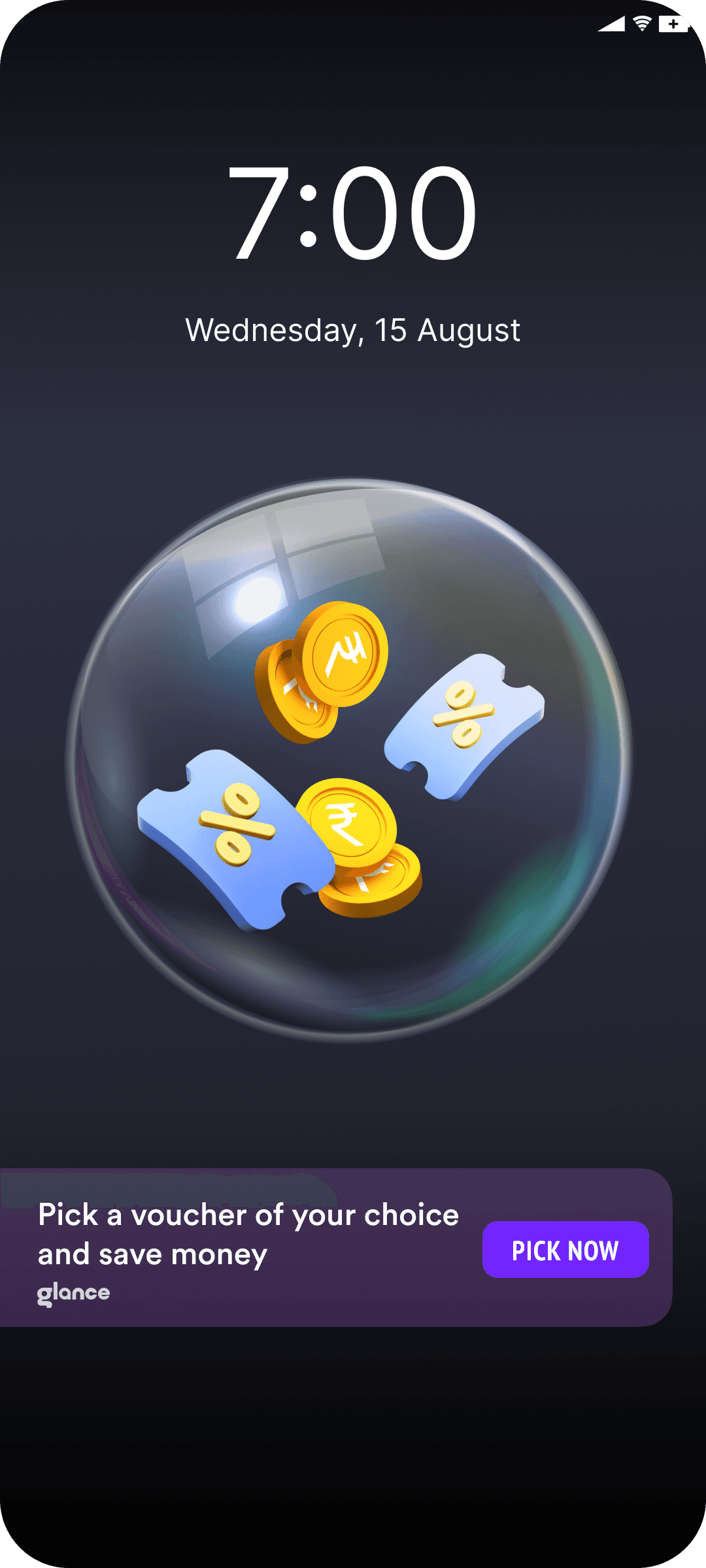
low-friction lock-screen triggers
Discovery
The problem worth solving
When we started, there was no reward infrastructure inside Glance. There were no systems for discovery, redemption, tracking, attribution, campaign orchestration, or targeted cohorts.
Reward Discovery
Redemption Flow
Tracking
Attribution
Campaigns
OPS
Fragmented System Architecture
My mission was to build a **reward ecosystem from scratch** inside Glance.
The systems challenge : designing betwen functional silos
reward system is only as strong as its weakest dependency.
I was designing across fragmented ownership where engineering priorities, GTM readiness, operational delays, and external redemption flows limited what UX alone could control.
The system wasn’t ready for a reward ecosystem, but I tried to design one anyway.
Marketing didn't have a strong GTM strategy
Ops delays stalled campaigns
UX couldn't control the full journey
Engineering had competing priorities
Engineering had competing priorities
Redemption depended on external apps
The problem worth solving
This wasn’t a UX failure—it was a motivation failure. Users were over-exposed but under-incentivized, with too much effort between seeing a reward and using it.
Redemptions
13%
Purchase
8%
Despite massive reach, redemption rates stayed under 5%.
Engineering the redemption Loop
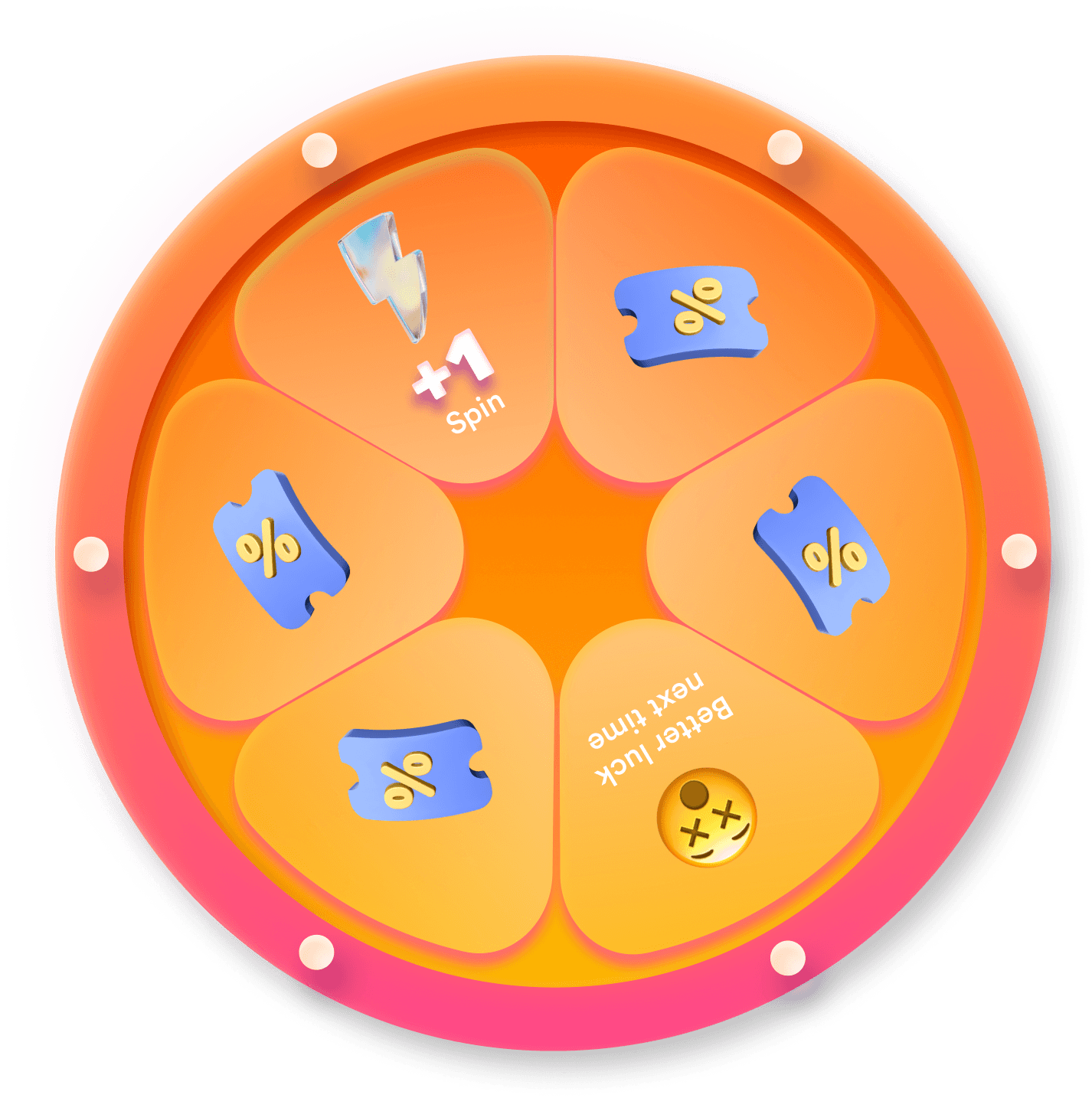
I designed a multi-layered reward ecosystem. instead of a shallow “coupon pop-up.”
I wasn’t building a feature but I was building an economy of motivation
Reward Discovery
Voucher Delivery System
Retention Loop
Redemption Experience
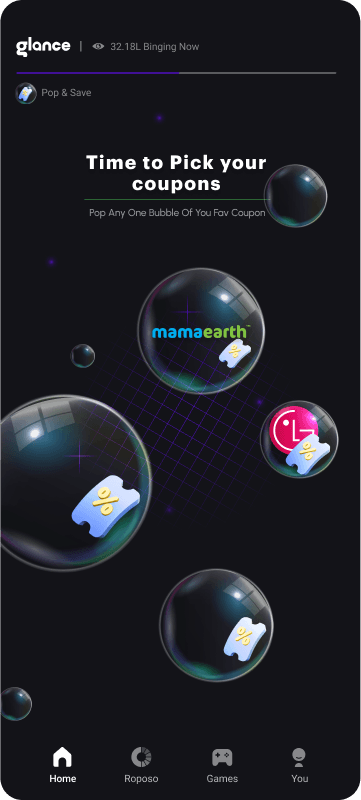
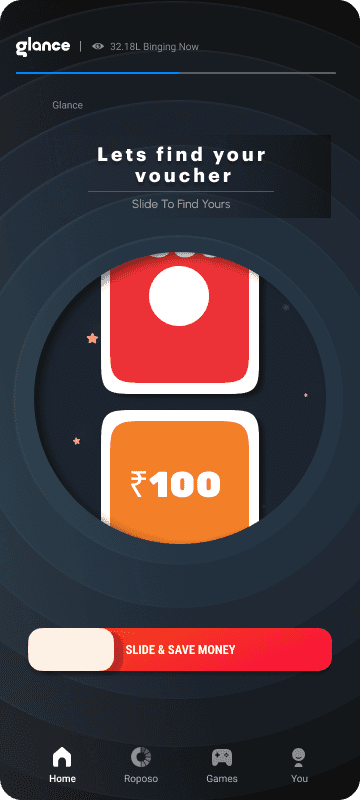
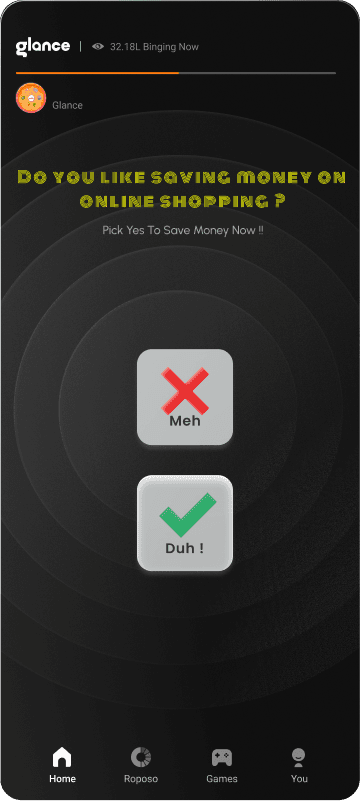
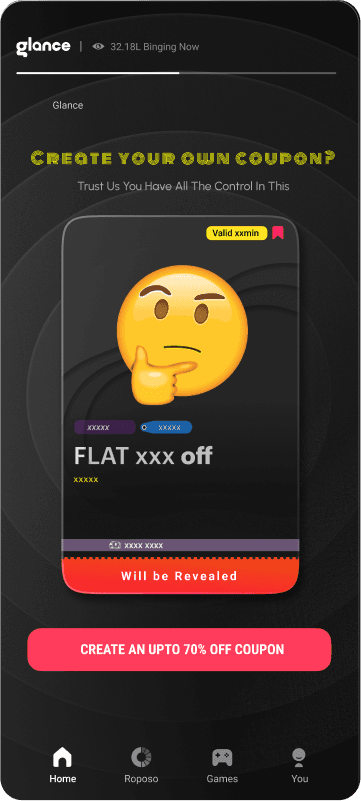
Experimental Gamification
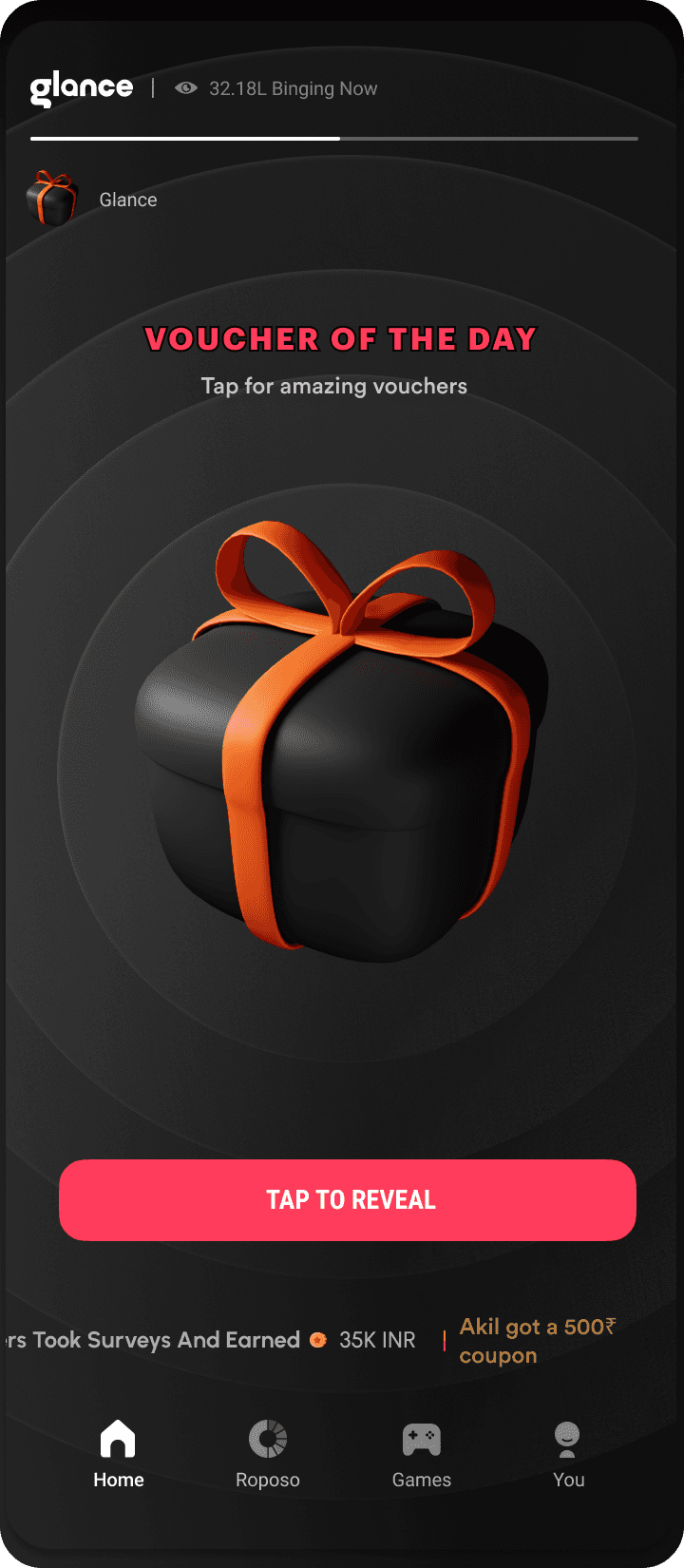
After Design Intervention
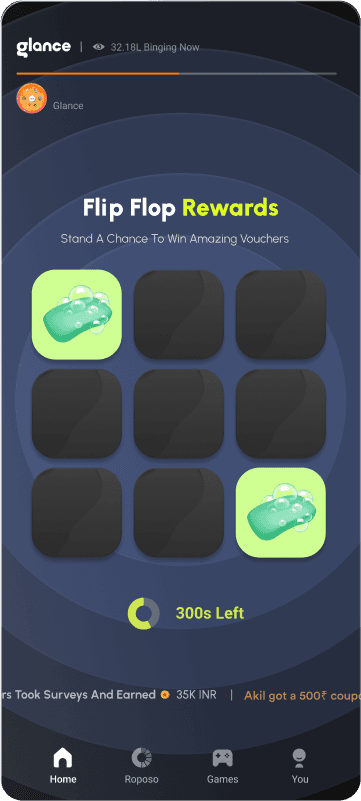
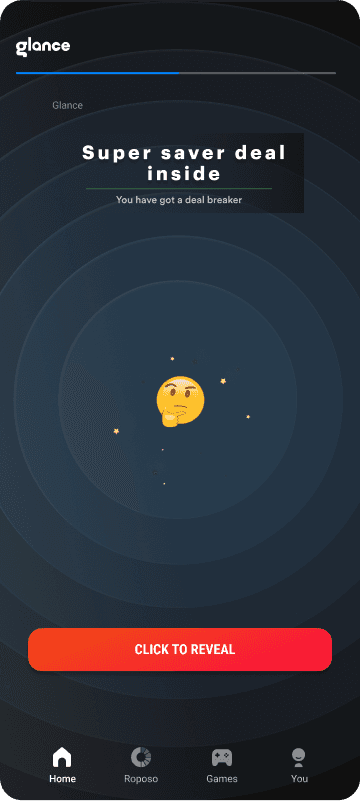
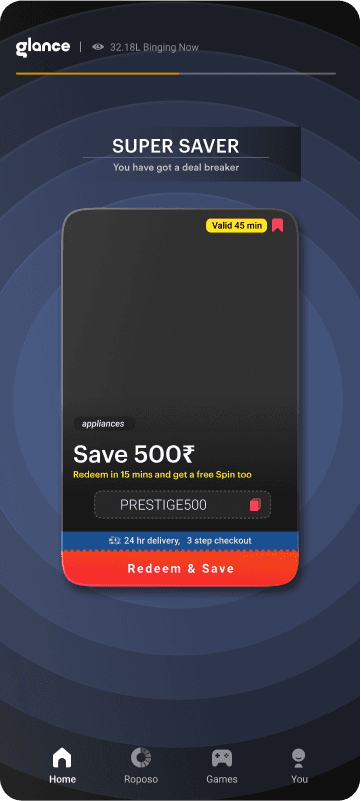
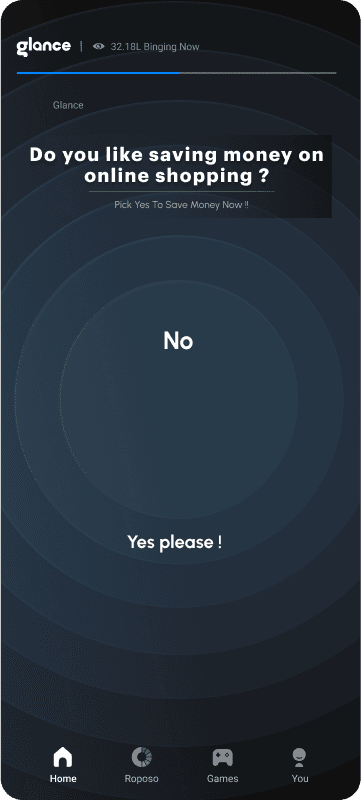
Various reward delivery techniques were designed and tried , some of them gamified and highly gamified !
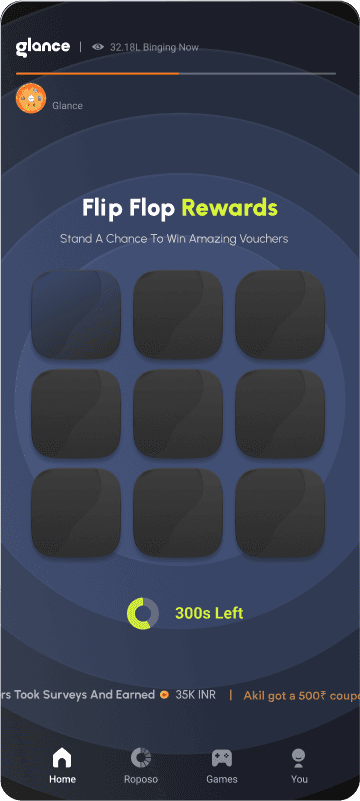
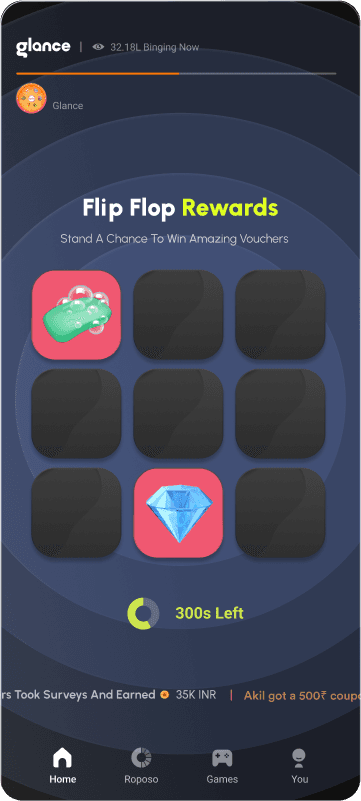
Research, Measurement & Early Signals
This system was tested in production across multiple voucher campaigns, cohorts, and targeting strategies.
I tracked behavioural signals across the funnel—tap to reveal, voucher allocation, copy/redeem actions, and engagement rate—to understand where intent formed and where it collapsed.
Research & Funnel Diagnostics: Voucher Ecosystem
Mapping behavioural intent against system constraints
USER JOURNEY
Lockscreen
Impression
Tap to
Reveal
Voucher
Allocation
Copy /
Save
External
App
Redemption
SYSTEM & OPS REALITY
Targeting &
Segments
Voucher
Supply
Webpeek
Configuration
Placement
(HP vs Non-HP)
Analytics
Visibility
Attribution
Gaps
Motivation drop
Handoff friction
Visibility gap
GTM dependency
Working
Degraded / Leaky
Failure Point
Friction Zone
Measurement & funnel reality
Voucher performance was measured primarily through distribution engagement defined as coupon clip or CTA click rate,followed by downstream redemption actions where tracking was available.
While top-of-funnel engagement showed promise, end-to-end visibility across claim, redemption, and purchase remained fragmented due to the absence of a unified voucher analytics dashboard.
The system wasn’t ready for a reward ecosystem, but I tried to design one anyway.
Key Data Signals
I replaced a one-off coupon interaction with a structured behavioural journey designed to move users from passive discovery to repeat engagement.
Total Reach
6.2M+
Lockscreen impressions
Tap to Reveal
~4.5%
of total impressions engaged
Allocation Efficiency
Successful allocations
~280K
vouchers distributed
88%
Copy / Redeem Rate
15
–
17%
Post-reveal engagement with external redemption
0%
15-17%
100%
Placement Impact
3–4× higher
Homepage Placement
High
Non-HP Placement
Low
Homepage placement drives significantly higher user interaction rates
what did the data reveal ?
While top-of-funnel engagement was healthy for a zero-to-one system, deeper analysis showed that performance was highly sensitive to targeting, placement, and operational constraints.
Performance was highly sensitive to targeting, placement, and operational constraints
Placement Impact
HP
High
Non-HP
Low
HP placement drove manual intervention
Segment Delivery
Static
42%
Dynamic
68%
Uneven delivery capped by ops constraints
System Efficiency
Reach
6.2M
Budget Used
~30%
Budget lagged far behind reach scale
Conversion Drop-off
6.2M
280K
~45K
Impressions didn't guarantee redemption
"Numbers were less, have put on HP"
Manual intervention logs
High impressions, low
% delivered
Motivation decay
observed post-reveal
Remaining vouchers
/ budget barely consumed
Evidence
The failure ( and why it wasn’t a UX failure ! )
Operational bottlenecks - Too many dependencies across too many teams caused delays.
Weak marketing and positioning :The product never got a category narrative or advertiser education.
Low advertiser adoption - Performance advertisers want predictable ROI, not experimental rewards.
No dashboard - Advertisers had no visibility into funnel numbers.
External redemption - Users had to leave Glance to redeem, causing friction.
Minimal revenue - The early numbers did not justify engineering investment.
The system was not ready for a reward ecosystem.
The design was.
Despite reaching millions of users, only a small fraction progressed beyond reveal—highlighting a system constrained more by operational readiness and funnel continuity than interface design.
Why I Include This Failed Project in My Portfolio !
Because it demonstrates how I think, decide, and design when outcomes are uncertain.
Systems-first thinking over surface-level wins
End-to-end ownership across UX, ops, and delivery
Behavioural design under real-world constraints
Willingness to take informed bets in zero-to-one spaces
Ability to reflect without blame or defensiveness
Clear separation between design quality and market readiness
Final Statement
This project did not scale commercially !
But it gave me first-hand experience designing, shipping, and measuring a reward system under real-world constraints—where data, ops, and UX collided at scale.
Key Learnings
Early engagement signals can be misleading without end-to-end funnel ownership Reward systems amplify operational gaps faster than traditional ads Placement and targeting can outweigh UX improvements in early systems Zero-to-one products need measurement infrastructure as much as interaction design
The system wasn’t ready for a reward ecosystem, but I tried to design one anyway.
read next
read next curated case study